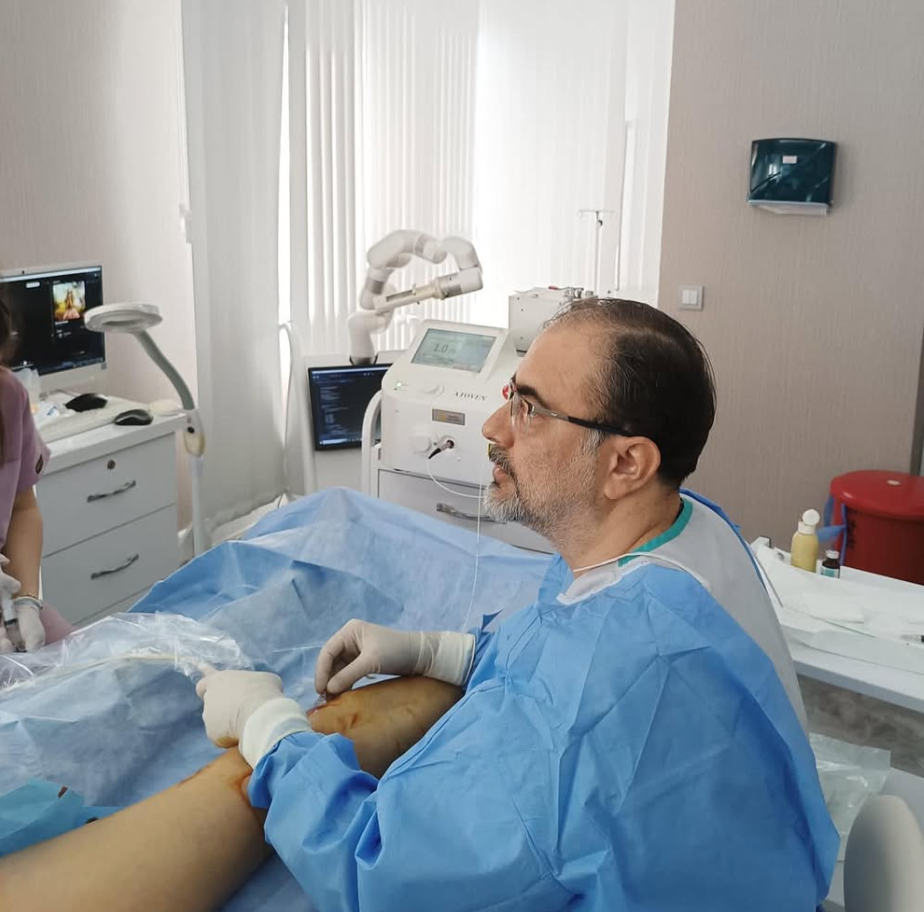
Prof. Dr. Aykut Recep Aktaş: Lasting Solutions for Varicose Veins – Foam or Laser?
Dear patients and readers interested in health,
I am Prof. Dr. Aykut Recep Aktaş. My specialisation is Interventional Radiology, and I possess many years of experience in treating vascular diseases with minimally invasive methods. One of the most frequent questions I receive from my patients, particularly concerning varicose vein treatment, is: "Is foam sclerotherapy more permanent, or is laser treatment?" In this article, we will thoroughly discuss these two significant non-surgical varicose vein treatment methods, examining their permanence and reliability.
What is the Primary Goal in Varicose Vein Treatment?
Varicose veins occur when superficial veins widen and their valves fail, leading to blood pooling in the legs. The primary aim of treatment is to disable the problematic veins, allowing blood to return to the heart via healthy vessels, thereby alleviating symptoms and preventing disease progression.
Foam Sclerotherapy for Varicose Veins
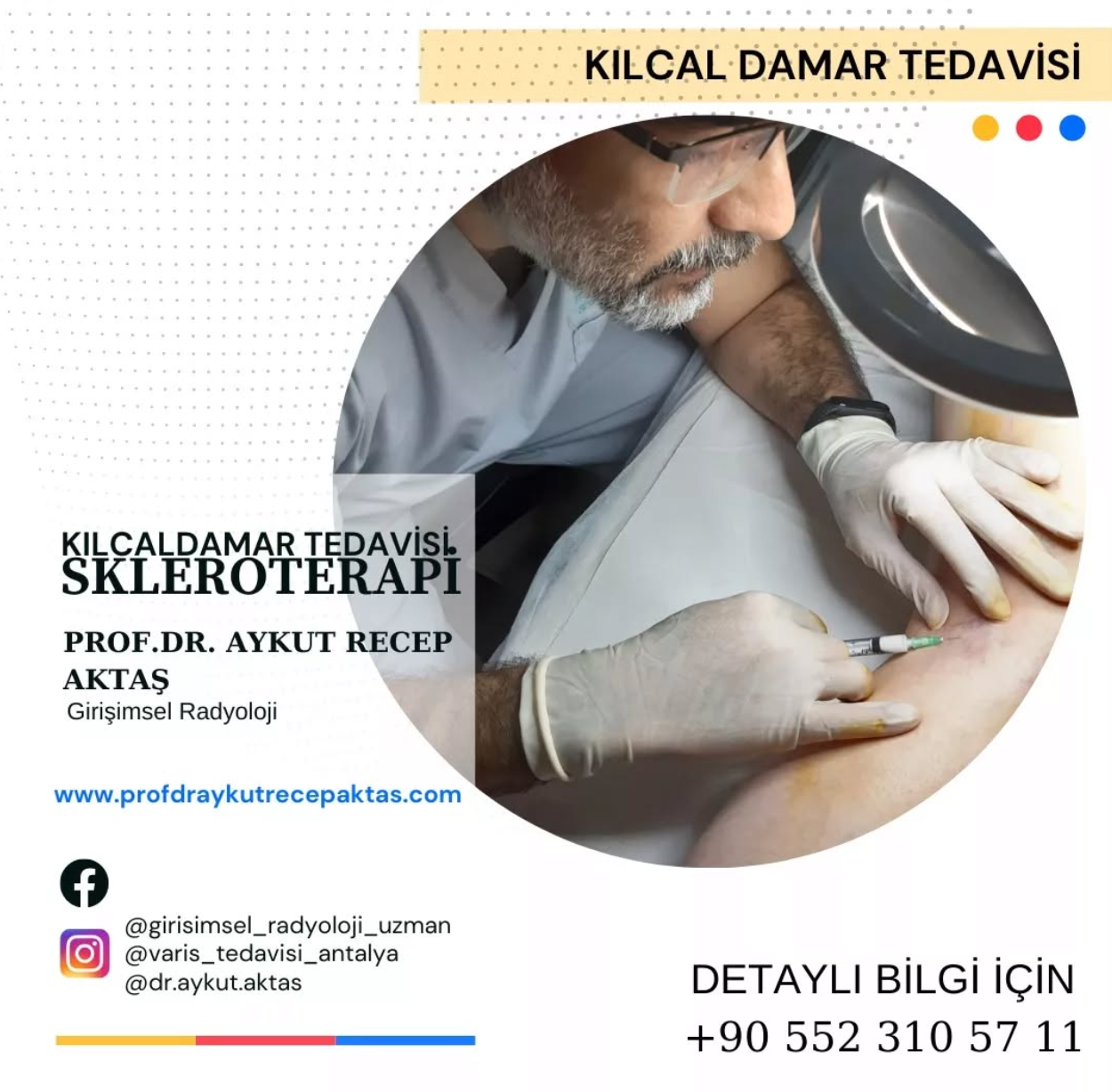
Foam sclerotherapy is based on the principle of mixing a special sclerosant drug with air to create a foam, which is then injected directly into the varicose vein under ultrasound guidance. This foam irritates the inner lining of the vein, causing it to close and eventually be absorbed by the body over time.
Foam treatment is particularly effective for small to medium-sized varicose veins, spider veins on the skin, recurrent varicose veins, and certain vessels that are difficult to reach surgically. It can often be performed in an outpatient setting under local anaesthesia, and the recovery period is generally swift.
However, for the primary treatment of insufficiency in large veins such as the great saphenous vein, the long-term permanence of foam treatment has, in some studies, been found to be lower compared to thermal ablation methods like laser or microwave. Foam treatment may be preferred as an additional or more complementary method for such large veins.
Laser and Microwave Varicose Vein Treatment (Endovenous Thermal Ablation)
Laser or microwave varicose vein treatment is part of a group of methods called endovenous thermal ablation. In this method, under local anaesthesia, a thin catheter delivering laser or microwave energy is inserted into the problematic vein. This energy carefully heats the inner wall of the vein, causing it to shrink and permanently close.
Laser and microwave methods are considered the gold standard, especially for treating large and long varicose veins like the great saphenous veins. Their success rates are very high, offering excellent long-term permanence and a comfortable recovery process for patients.
Which Method Offers Greater Permanence and Reliability?
Choosing the "most permanent" method for varicose vein treatment depends on the type, size, and extent of the patient's varicose veins. However, in a general assessment:
- For insufficiency in large, main feeder veins such as the great saphenous veins, **laser and microwave ablation methods** are generally considered superior in terms of long-term permanence and reliability. The rates of permanent vein closure with these methods are exceptionally high.
- **Foam sclerotherapy** can provide highly effective and lasting results for smaller-calibre varicose veins, spider veins, recurrent varicose veins, or in specific situations where thermal ablation cannot be applied. Furthermore, it is a frequently used and successful method for treating residual side branches after main vein treatment.
Why Are We Cautious About the Glue Method?
While the cyanoacrylate glue method, which has emerged in recent years for varicose vein treatment, appears to have some advantages, as Interventional Radiology specialists, we approach this method with more caution.
Our primary reservations are as follows:
- **Lack of Long-Term Data:** Unlike thermal ablation methods such as laser and microwave, sufficiently comprehensive long-term efficacy and permanence data (e.g., 5 years or more) for the glue method are not yet available. Permanence in treatment is one of our highest priorities.
- **Retention of Foreign Material in the Body:** The glue is a chemical substance used to close the vein and remains permanently within the vein. This can, in some patients, lead to foreign body reactions, inflammations, or tenderness along the treated vein. With other methods, the vein closes and is naturally absorbed by the body over time or turns into a fibrotic cord.
- **Post-Application Reactions:** Allergic reactions or a feeling of hardness and tenderness along the vein, which can occur due to the glue, may negatively impact patient comfort.
For these reasons, in our clinic, we prioritise thermal ablation methods such as laser and microwave as our primary treatment options, due to their proven long-term success, high reliability profile, and adherence to the principle of not leaving permanent foreign material in the body. For all our minimally invasive treatment options in Interventional Radiology, please visit the Prof. Dr. Aykut Recep Aktaş website.
Conclusion and Recommendations
Varicose vein treatment is a process that needs to be tailored to each patient's individual situation. I would like to reiterate that laser or microwave ablation offers superior long-term permanence and reliability for your main varicose veins, while foam treatment is highly effective for smaller varicose veins and as an adjunctive therapy. To determine which method will provide the most suitable and lasting solution for you, it is crucial to undergo a detailed examination and assessment with an experienced Interventional Radiology specialist.