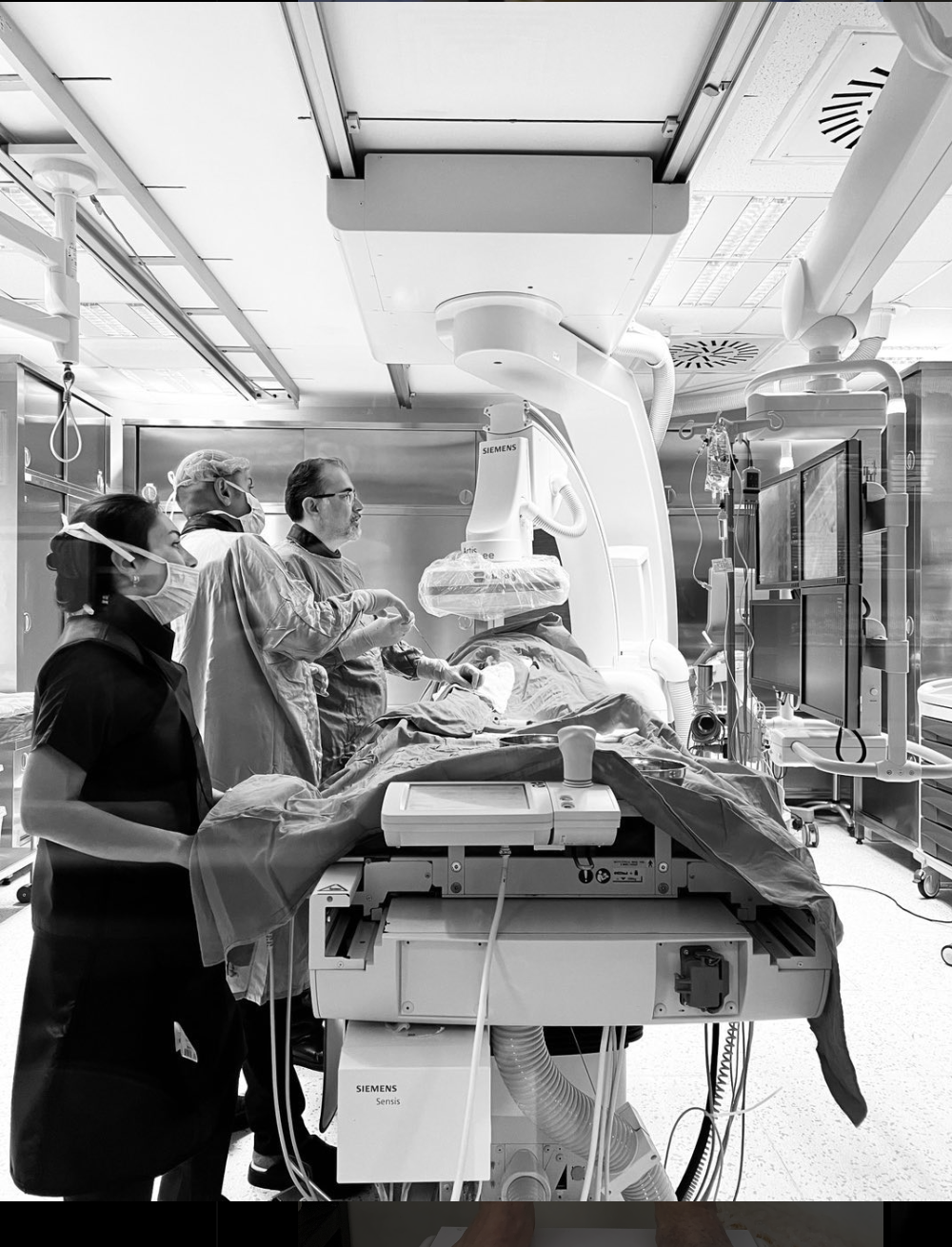
Interventional Radiology: Pioneering Modern Treatment with Minimally Invasive Approaches
As Prof. Dr. Aykut Recep Aktaş, an expert in Interventional Radiology, one of the most dynamic and rapidly evolving branches of medicine, I am proud to present "modern treatment" methods that fundamentally transform our approaches to diagnosing and treating diseases. Through minimally invasive techniques, which are far less traumatic than traditional surgery, we provide our patients with greater comfort, faster recovery times, and superior clinical outcomes.
What is Interventional Radiology and Why is it So Important?
Interventional Radiology is an innovative medical specialty that enables us to precisely diagnose and treat diseases within the body using advanced imaging modalities such as ultrasound, computed tomography (CT), fluoroscopy, and magnetic resonance imaging (MRI). Thanks to procedures performed through a small needle puncture or natural body orifices, many conditions can be treated without the need for open surgery. This approach allows patients to find healing without the fear of an operation.
Advantages of Modern Treatment Offered by Interventional Radiology
Interventional Radiology procedures, which form the cornerstone of the "modern treatment" philosophy, offer numerous significant benefits for patients: less pain, shorter hospital stays, quicker recovery, and a lower risk of complications. This allows our patients to return to their daily lives much faster and more comfortably. Aesthetically, smaller incision marks or no scars at all are also important factors contributing to patient satisfaction.
Groundbreaking Modern Treatment Methods and Medical Processes in Interventional Radiology
Interventional Radiology offers a wide array of "modern treatment" options. Here are some of these treatment methods:
1. Vascular Interventions: A Revolution in Vascular Health
Numerous vascular diseases such as blockages, aneurysms, and varicose veins are successfully treated with methods like angioplasty (balloon dilation), stent placement, and embolization (vessel occlusion). These procedures are typically performed by accessing a blood vessel in the groin or wrist, using guidewires and catheters. Under imaging guidance, blockages are cleared, or bleeding is stopped, significantly reducing the risks associated with traditional surgery.
2. Oncological Interventions: Targeted Strikes Against Cancer
Tumours in organs such as the liver, kidney, and lung can be targeted and destroyed using localized "modern treatment" methods. These include chemoembolization (TACE), radioembolization (TARE), microwave, or radiofrequency ablation (RFA). For instance, in chemoembolization for liver tumours, the vessel supplying the tumour is identified via angiography, and micro-spheres loaded with chemotherapeutic drugs are directly delivered into this vessel. This cuts off the tumour's blood supply and delivers the drug locally in high concentrations, maximizing its effect on the tumour while minimizing systemic side effects.
3. Uterine Fibroid Embolization (UFE): A Non-Surgical Solution Preserving the Uterus
UFE is an effective "modern treatment" method that allows for the treatment of uterine fibroids, which are benign tumours in the uterus, without the need for surgical intervention, thereby preserving the uterus. This procedure aims to alleviate symptoms such as excessive bleeding, pain, and pressure caused by fibroids.
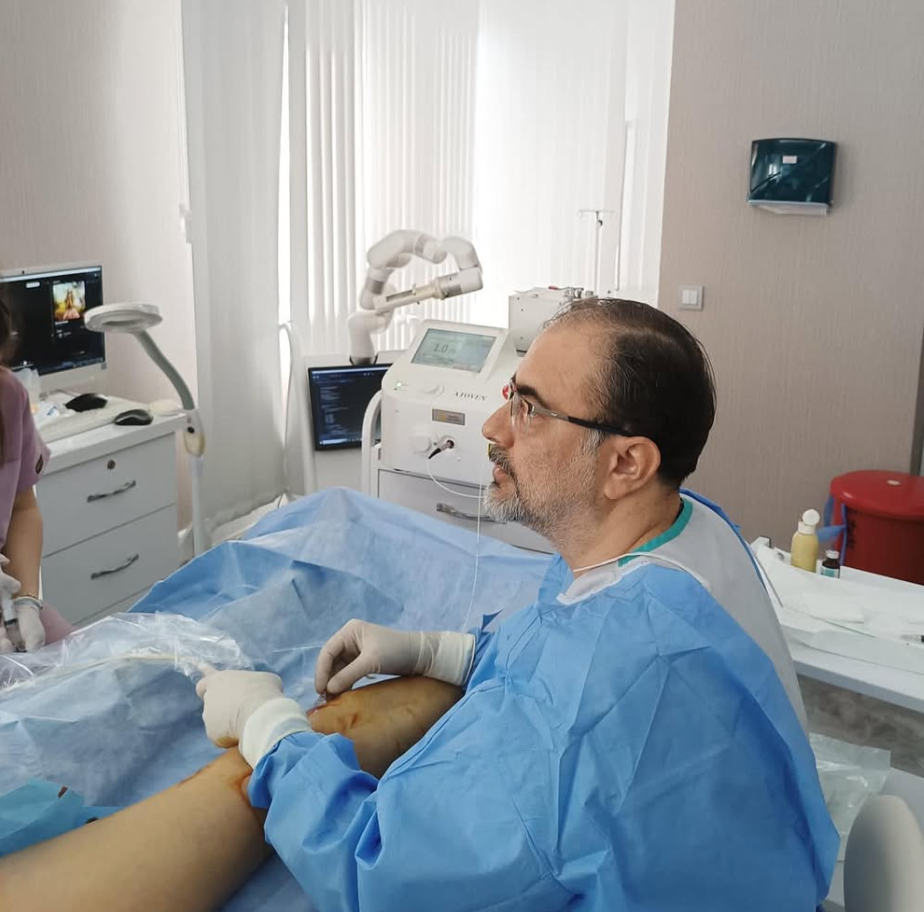
How Does the UFE Medical Process Work?
Uterine Fibroid Embolization is typically performed under local anaesthesia and light sedation. After the patient's groin area is numbed with local anaesthesia, a small needle is inserted into the femoral artery. With the help of a special guidewire and a thin catheter, the uterine arteries (the arteries supplying the uterus) are accessed. After confirming the location of these vessels with fluoroscopy (live X-ray imaging), specially designed embolic agents (usually PVA particles or microspheres) are injected to block the arteries feeding the fibroids.
This blockage cuts off the blood flow to the fibroids, causing them to shrink over time and reducing symptoms. The procedure usually takes 1-2 hours, and most patients can be discharged on the same day or the day after. The patient's recovery process is much shorter compared to surgical interventions; they can usually return to their normal activities within a few days. This is an important "modern treatment" option that provides effective fibroid treatment without requiring removal of the uterus.
4. Varicocele Embolization: A Minimally Invasive Approach to Male Health
For the non-surgical treatment of varicocele, one of the significant causes of male infertility, varicocele embolization has become a gold standard "modern treatment" approach. In this procedure, typically accessed via a vein in the groin or neck, the dilated testicular veins are reached, and special substances (sclerosant agents or coils) are used to block these veins. This ensures that blood flow in the testicles is maintained through normal veins, and varicocele-related complaints are eliminated. Patients can return home on the same day and recover quickly.
5. Biliary System Interventions: Opening Bile Ducts
Blockages or narrowings in the bile ducts can be treated with percutaneous transhepatic cholangiography (PTC) and drainage procedures. This prevents serious complications such as jaundice and improves the patient's quality of life. If necessary, stents can be placed in the bile ducts to ensure permanent patency.
6. Kidney Cyst Ablation and Other Minimally Invasive Methods
Painful or large kidney cysts can be treated with ablation (drying) using alcohol or sclerosant agents under imaging guidance. Additionally, procedures such as vertebroplasty/kyphoplasty are safely performed by Interventional Radiology to relieve pain from spinal fractures and ensure spinal stability. Non-surgical placement of feeding tubes into the stomach or small intestine (percutaneous gastrostomy/jejunostomy) for patients requiring nutritional support is also an important part of modern Interventional Radiology practice.
The Future of Medicine, Today, with Interventional Radiology
Interventional Radiology continues to offer hope to our patients with groundbreaking "modern treatment" approaches in the medical world. The combination of advanced imaging technologies and minimally invasive techniques produces solutions that offer less trauma, faster recovery, and a higher quality of life. With new treatment areas being added every day, this dynamic specialty is shaping the medicine of the future, today. For all our minimally invasive treatment options in Interventional Radiology, please visit the Prof. Dr. Aykut Recep Aktaş website.